Impact of the Iran Conflict on Global Markets and Real Estate
Introduction
The ongoing conflict in Iran has far-reaching implications that extend beyond political borders. One of the most significant areas affected is the global economy, with markets and real estate sectors feeling the ripple effects. Understanding these impacts can help investors and stakeholders make informed decisions in a volatile environment.
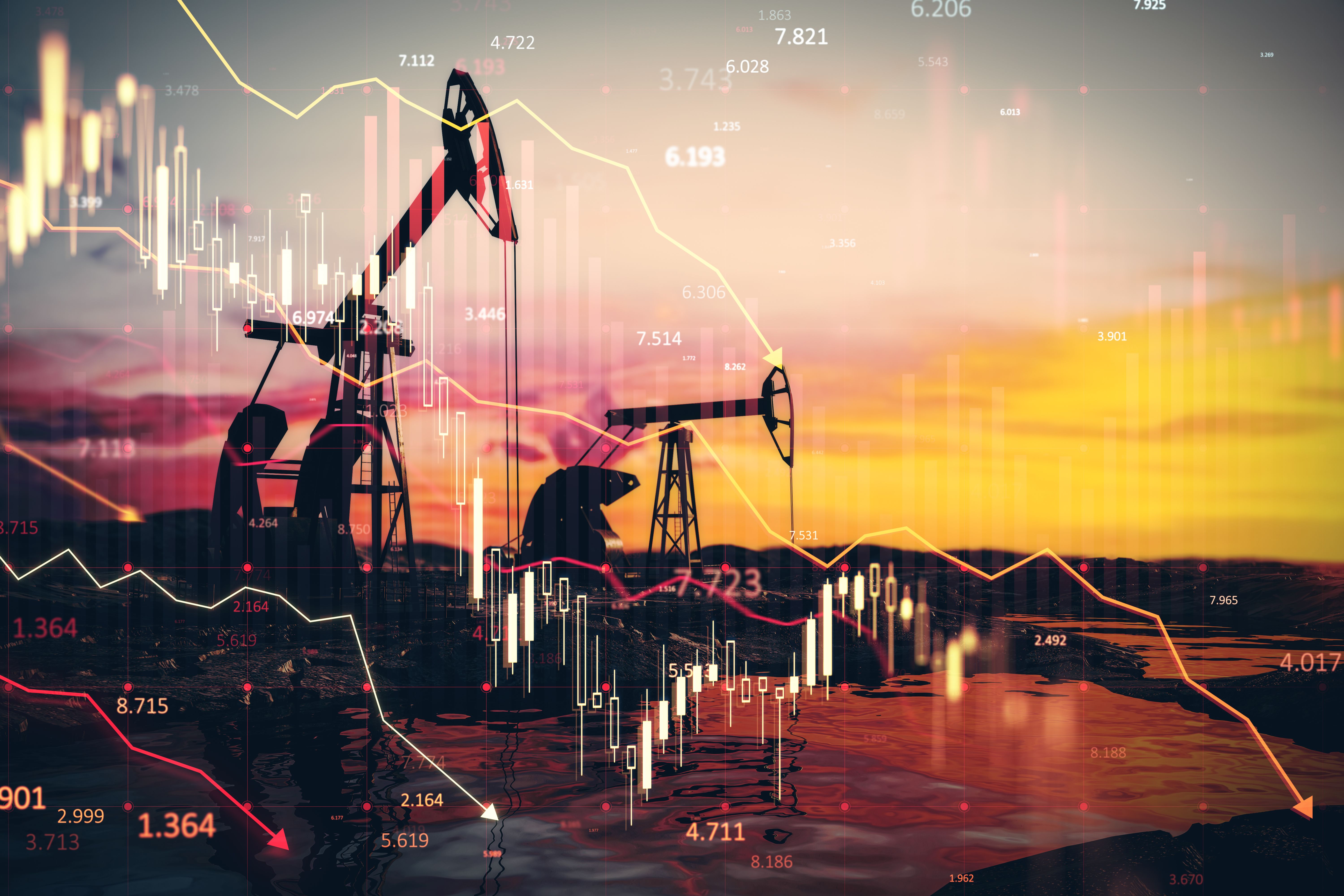
The geopolitical tensions in Iran have historically influenced global oil prices, affecting economies worldwide. As a major oil producer, any disruption in Iran's oil supply can lead to increased prices, impacting various industries and consumer costs.
Effects on Global Markets
The uncertainty surrounding the Iran conflict often leads to increased market volatility. Investors tend to seek safer assets, which can cause fluctuations in stock markets globally. The unpredictability can result in a temporary withdrawal of investments, as businesses and investors wait for stability.
Moreover, sanctions and trade restrictions associated with the conflict can disrupt supply chains, affecting businesses that rely on Iranian imports or exports. This disruption can lead to increased costs and reduced profitability for these companies.

Oil Price Volatility
Oil prices are particularly sensitive to conflicts in oil-producing regions. A conflict in Iran can lead to supply constraints, pushing prices higher. This increase can have a cascading effect on transportation, manufacturing, and other sectors reliant on oil.
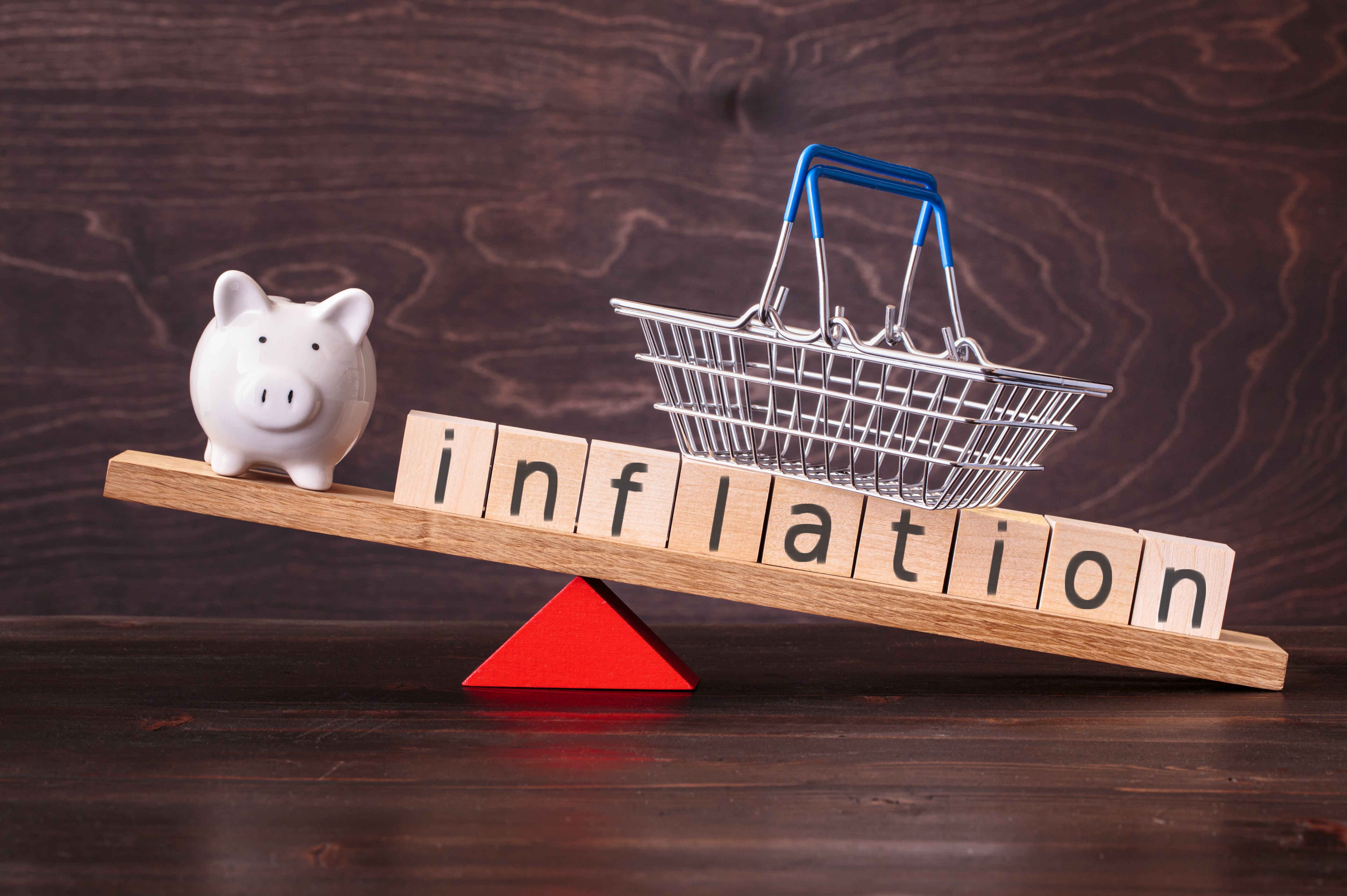
Higher oil prices often lead to increased inflation, affecting consumer purchasing power and overall economic growth. Countries dependent on oil imports may face economic challenges as they navigate these rising costs.
Impact on Real Estate
The real estate market is not immune to the effects of geopolitical tensions. In regions heavily influenced by global markets, such as Europe and North America, the uncertainty can lead to cautious behavior among investors and developers.
Potential increases in construction costs due to supply chain disruptions and rising oil prices can affect project timelines and budgets. Developers may delay projects, leading to reduced real estate supply in the short term.
Investment Trends
In times of global uncertainty, real estate is often seen as a stable investment. However, the Iran conflict adds layers of complexity as investors weigh geopolitical risks. Some may shift focus to domestic markets or regions less affected by the conflict.
- Residential Properties: Demand may increase as investors seek stability.
- Commercial Real Estate: Potential for fluctuating demand based on market stability.
- Luxury Real Estate: May see a decline as global investors reassess risk.

Conclusion
The Iran conflict's impact on global markets and real estate underscores the interconnectedness of global economies. Investors must remain vigilant, considering both immediate and long-term effects as they navigate this complex landscape. Understanding these dynamics can help mitigate risks and capitalize on opportunities in a challenging environment.